
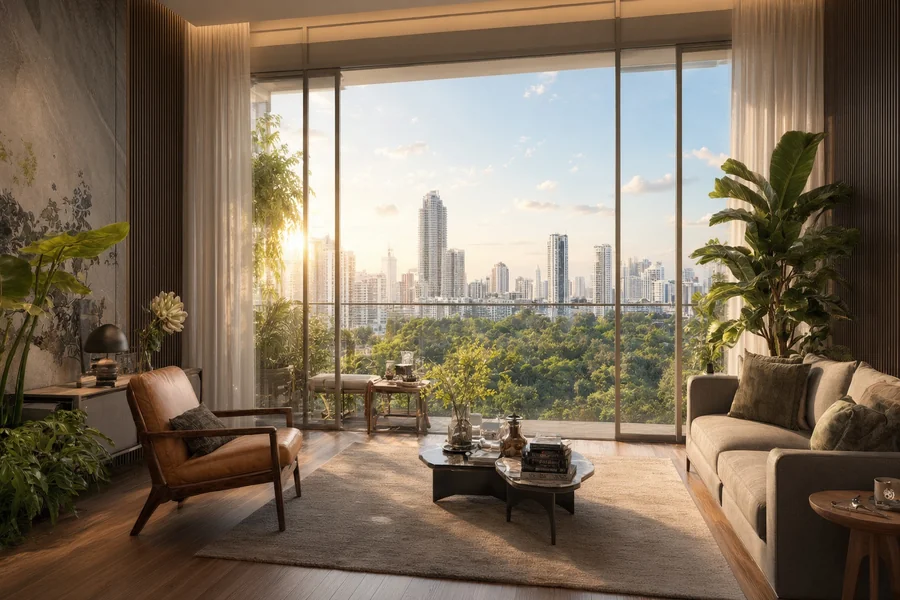
The River Opus Unites Expertise for Refined Riverfront Placemaking
A distinctive riverfront address is shaped by more than its setting. It depends on how development vision, architectural thinking, landscape design and everyday functionality come together. At The River Opus, the central proposition is this convergence of strengths: a coordinated approach to creating a residential environment that feels connected to its neighbourhood, considered in its details and enduring in its appeal.
Positioned along River Valley Road at the former Valley Point Shopping Centre en bloc site, the new condominium associated with Frasers Property presents an opportunity to consider what quality placemaking means in an established Singapore neighbourhood. The strongest expression of that opportunity lies not simply in replacing one use with another, but in bringing complementary capabilities to a shared vision for riverfront living.
The River Opus Places Partnership at the Heart of Quality
Successful residential development requires different disciplines to work towards the same outcome. Development expertise establishes direction and delivery standards. Architectural input translates that ambition into spatial relationships, while landscape and interior design shape how residents experience the address at close quarters. When these contributions are aligned, quality becomes a consistent thread rather than a collection of isolated features.
This is the value of combining partners’ strengths. Each specialist brings a different understanding of how a place should perform, from its relationship with surrounding streets to the comfort of shared spaces. For The River Opus, the partnership-led proposition is most compelling when viewed through this integrated lens: individual expertise serving the coherence of the whole.
A Shared Vision Rooted in River Valley
Placemaking begins with recognising what already gives a neighbourhood its identity. River Valley’s appeal is closely tied to the relationship between its urban setting and the river corridor. A thoughtful residential addition should respond to that character rather than impose an unrelated identity upon it. The aim is to create a sense of belonging within a location that already has an established rhythm.
The former Valley Point Shopping Centre site also brings a history of neighbourhood use into the conversation. Its transition towards a residential role makes sensitivity to context especially important. For a development team, that means considering how a new address meets its surroundings, how its arrival experience feels and how its overall character can contribute positively to the wider precinct.
Design Coordination Turns Ambition into Everyday Comfort
A shared vision becomes meaningful through the decisions residents encounter daily. The transition from street to entrance, the legibility of circulation and the balance between communal activity and personal retreat all influence whether a development feels intuitive. These are not matters for one discipline alone. They depend on architects, designers and technical specialists resolving priorities together.
Singapore’s tropical conditions make that coordination particularly valuable. Shade, shelter, daylight and ventilation deserve consideration alongside visual composition. Quality riverfront placemaking should therefore be judged not only by a striking first impression, but also by the comfort and usability of the spaces that support everyday routines. Refinement is most persuasive when it makes daily life feel easier.
Landscape as a Connecting Discipline
Within this approach, landscape thinking can connect architecture with the broader riverfront setting. Rather than functioning as decoration, greenery can help establish transitions, soften built edges and create a more restful residential atmosphere. Its contribution is strongest when considered early, alongside spatial planning, so that planting, movement and places to pause form a coherent experience rather than separate gestures.
Riverfront Character Beyond the View
The promise of riverfront living extends beyond outlook. It includes a sense of openness, an awareness of the surrounding landscape and the possibility of a more measured pace within the city. A development can draw on these qualities through its design language and relationship with the neighbourhood, without relying solely on the appeal of a particular vista.
For The River Opus, this distinction sharpens the placemaking narrative. The objective is not simply to market proximity to the river, but to consider how a riverfront identity can inform residential character. Partners working in concert are better placed to balance urban presence with a quieter domestic atmosphere, giving the address a clear identity without disconnecting it from its setting.
Long Term Quality Depends on Joined Up Decisions
Enduring quality also requires attention to what happens after the initial reveal. Material suitability, maintenance demands and the practical operation of shared environments all shape how gracefully a residential development matures. These considerations may be less immediately visible than a dramatic design gesture, yet they are central to a premium living experience that remains satisfying over time.
A partnership-led approach creates the framework for weighing those decisions together. Design ambition can be tested against buildability, while aesthetic choices can be considered alongside durability and care. The result to aim for is not excess, but assurance: spaces whose appeal rests on sound judgement as much as visual polish.
A Collective Standard for a Distinctive Address
The River Opus brings the discussion of riverfront living back to the people and disciplines responsible for shaping it. Its headline promise rests on alignment: partners contributing their strengths towards a place that is coherent, comfortable and responsive to River Valley. That is the deeper measure of quality placemaking, where a desirable location becomes the foundation for lasting residential character.